article · Materials
Stone Window Seat: prepare an identity card
Prepare an identity card for stone window seat to address this hypothetical issue: The window seat is called natural stone while nearby floor paperwork is being used as its care reference. The task it must support is concrete: Record the actual stone identity and finish for the window seat, distinct from the material used on nearby floors. An interior stone window seat is a decorative landing for cushions, books and occasional plant pots beside a glazed wall. The example card must show the seller wording alongside the confirmed identity, reference and matched care document. Leave the inconsistent label quoted as an open question until the seller resolves it; do not prefill certainty from appearance.
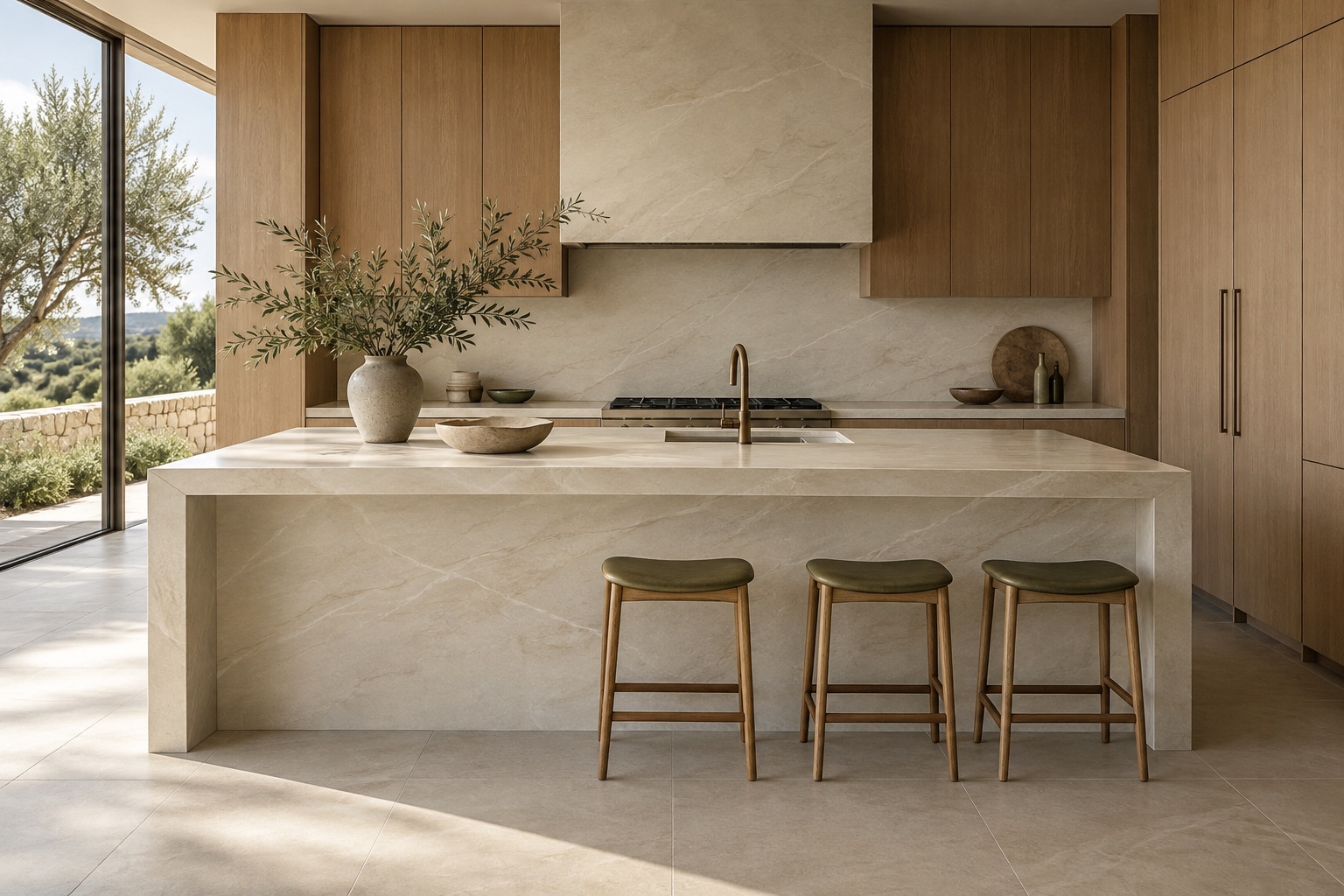
Develop the material identity case
Prepare an identity card for stone window seat to address this hypothetical issue: The window seat is called natural stone while nearby floor paperwork is being used as its care reference. The task it must support is concrete: Record the actual stone identity and finish for the window seat, distinct from the material used on nearby floors. An interior stone window seat is a decorative landing for cushions, books and occasional plant pots beside a glazed wall. The example card must show the seller wording alongside the confirmed identity, reference and matched care document. Leave the inconsistent label quoted as an open question until the seller resolves it; do not prefill certainty from appearance.
Use this worked entry as a starting point, replacing its provisional answers with actual project information: Seat material: supplier confirmation needed; floor reference: separate; supplied finish: to match actual top. Adjacent floor paperwork cannot identify a separately supplied top; the seat supplier should connect the actual surface and finish with its own care guidance. Read the record as an evidence chain between quoted wording, reviewed material and supplier information. A blank reference means the chain is incomplete, not that the homeowner should diagnose the material. Keep the example's unanswered status visible and attach the relevant supplier response or review evidence, rather than turning its illustrative wording into a completed approval for this stone window seat.
Complete an identity card
For this stone window seat record, completion has a specific test: The household can identify the seat material without assuming the adjacent floor's document governs it. The Natural Stone Institute makes identification of the stone a starting point for care. Use the named material and supplier instructions to frame this decision, keeping appearance preferences and editorial coordination suggestions separate from verified product performance. Check completion by following the identifiers from order to material to document. If a reference remains missing, return that exact gap to the supplier rather than letting a signature erase the uncertainty. Record who supplied the actual answer and which source document or current drawing it concerns, so the outcome can be checked independently of the person who assembled the sheet.
Handle exceptions in stone window seat through the relevant responsibility boundary: The designer and fabricator assess bearing, anchorage and the intended seat use; a stone shelf photograph cannot certify suitability for people to sit on it. The identity card's endpoint is a consistent description that another user or service professional can follow. If the evidence remains conflicting, record the uncertainty instead of converting a plausible guess into a material fact. If the worked entry's pending item remains unanswered, preserve that status in the final record and name the next adviser or responsible trade. The example demonstrates documentation logic; it is not a technical certification, product warranty or receipt for completed work.
Sources
- Care and cleaning of natural stone Natural Stone Institute
- Installation standards for countertop fabricators Natural Stone Institute